
In the fast-paced world of modern healthcare, efficiency, hygiene, and patient safety are paramount. Every second counts, and healthcare professionals need tools that streamline their work while maintaining the highest standards of care. One such indispensable tool that often goes unnoticed but has a profound impact on patient care is the medical trolley. From hospitals to clinics and specialty care facilities, medical trolleys are helping staff deliver faster, safer, and more efficient care.
The Evolution of Medical Trolleys
Medical trolleys have come a long way from their simple beginnings. Originally designed as basic carts to transport supplies, today’s medical trolleys are highly specialised, ergonomic, and versatile. Manufacturers now focus on combining durability with functionality, hygiene, and mobility. With features such as adjustable shelves, locking drawers, integrated power systems, and smooth-rolling wheels, modern trolleys are engineered to meet the unique demands of different medical environments.
The evolution of medical trolleys mirrors the broader shift in healthcare toward efficiency and patient-centred care. Facilities are increasingly recognising that well-designed equipment contributes directly to the quality of patient outcomes.
Key Features That Enhance Patient Care
Medical trolleys offer more than just a solution for storage; they are carefully designed tools that support healthcare professionals in delivering better patient care. Some of the key features that make modern trolleys indispensable include:
1. Ergonomic Design
Healthcare staff spend long hours on their feet, moving between patients, wards, and operating theatres. Ergonomically designed trolleys reduce strain and fatigue, making it easier to transport supplies safely. Features like adjustable handles and height options help staff maintain proper posture and avoid musculoskeletal injuries, which in turn improve efficiency and reduce the likelihood of errors.
2. Mobility and Accessibility
Medical trolleys are built to move easily across hospital corridors, operating rooms, and patient wards. Smooth-rolling wheels with brakes ensure that trolleys can be quickly positioned or secured in place. Easy access to drawers and compartments allows staff to retrieve essential equipment and medications quickly, reducing the time patients wait for care.
3. Hygiene and Infection Control
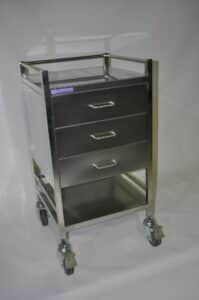
Infection prevention is critical in healthcare settings. Medical trolleys made from stainless steel or high-quality plastic are easy to clean and resistant to bacteria and other pathogens. Many trolleys are designed with seamless surfaces and minimal joints to reduce dirt accumulation, while antimicrobial coatings further enhance hygiene. By minimising the risk of cross-contamination, trolleys play a direct role in protecting both patients and healthcare workers.
4. Customisable Storage Solutions
Medical trolleys can be customised to suit the needs of specific departments. For example, instrument trolleys are designed to carry instruments in organised trays, while medication trolleys include secure, lockable drawers to prevent unauthorised access. Customisation ensures that the right tools are always at hand, reducing delays and improving the efficiency of care delivery.
5. Integration with Technology
Some modern medical trolleys are equipped with power outlets, charging stations, or even digital devices like tablets and monitors. These features enable healthcare professionals to access patient records, monitor vital signs, and manage medications directly from the trolley. Integrating technology into the trolley itself minimises movement between stations and allows staff to provide more immediate, data-driven care.
Types of Medical Trolleys and Their Uses
Different types of medical trolleys serve specific functions in healthcare settings. Understanding these types can help facilities choose the right trolley to improve patient care:
1. Medication Trolleys
Medication trolleys are designed to safely store and transport medicines to patients. Lockable compartments and organised trays help prevent medication errors and ensure compliance with safety regulations. These trolleys often include secure systems for tracking stock and usage, improving both efficiency and accountability.
2. Emergency and Crash Trolleys
Emergency trolleys, also known as crash carts, are critical during urgent situations. They carry essential equipment such as defibrillators, oxygen supplies, and emergency medications. Rapid access to these items can be the difference between life and death. Trolleys with clear organisation, labelled compartments, and easy manoeuvrability ensure that emergency response teams can act swiftly.
3. Surgical and Procedure Trolleys
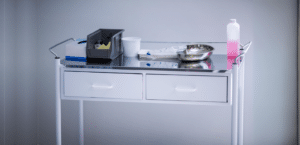
In operating theatres and procedure rooms, trolleys help organise surgical instruments and supplies. Sterile trays, adjustable shelving, and lockable drawers allow surgical teams to focus on the patient without searching for tools. The design of these trolleys also contributes to maintaining a sterile environment, reducing the risk of infections.
4. Linen and Supply Trolleys
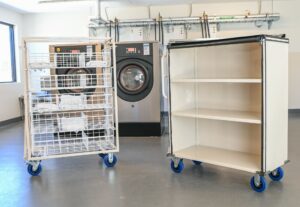
Linen and supply trolleys are used to transport clean and soiled materials, ensuring that patients always have access to fresh linens and necessary supplies. Ergonomic designs and durable materials make these trolleys easy to push and reduce the physical strain on staff. By keeping wards well-stocked, these trolleys contribute indirectly to a smoother patient experience.
How Medical Trolleys Improve Patient Outcomes
While trolleys may seem like simple pieces of equipment, their impact on patient care is significant. Here are some ways that they improve outcomes:
1. Faster Response Times
By keeping essential equipment and medications within easy reach, trolleys reduce the time healthcare staff spend searching for supplies. Faster response times mean that patients receive care more quickly, which is particularly crucial in emergencies.
2. Reduced Risk of Errors
Properly organised trolleys help prevent errors in medication administration, surgical procedures, and emergency responses. Clear labelling, secure storage, and compartmentalised organisation reduce the chance of mistakes, directly improving patient safety.
3. Enhanced Infection Control
As mentioned, hygienic trolleys reduce the risk of cross-contamination. Infections acquired in hospitals can prolong recovery and increase healthcare costs, so maintaining clean, easy-to-sanitise trolleys is a key factor in promoting patient well-being.
4. Staff Efficiency and Satisfaction
When staff can work efficiently with well-designed trolleys, they experience less stress and fatigue. This improves the overall workplace environment and ensures that healthcare professionals can dedicate more time and attention to patient care.
Considerations When Choosing a Medical Trolley
Selecting the right medical trolley requires careful consideration. Healthcare facilities should evaluate:
- Material Quality: Stainless steel and high-grade plastics offer durability and hygiene benefits.
- Ergonomics: Adjustable handles, height options, and smooth wheels contribute to staff comfort and safety.
- Storage Capacity and Customisation: The trolley should meet the specific requirements of its intended use, whether for medication, instruments, or linens.
- Mobility: Wheels should allow easy movement across different surfaces and include secure locking mechanisms.
- Technology Integration: Consider trolleys with charging ports or digital access if electronic records or monitoring are needed.
By carefully assessing these factors, healthcare providers can select trolleys that enhance operational efficiency and patient care simultaneously.
Enhancing Patient Comfort and Experience
While medical trolleys are primarily designed to support healthcare staff, they also play a crucial role in enhancing the patient experience. When essential tools and supplies are organised and readily accessible, healthcare professionals can provide care more efficiently and attentively. This means patients spend less time waiting for medications, treatments, or procedures, creating a smoother and more reassuring care experience.
Modern trolleys are often designed with patient comfort in mind. Smooth-rolling wheels and quiet operation minimise disturbances in patient rooms, while streamlined designs reduce clutter and visual stress. By facilitating faster, more organised care, medical trolleys allow staff to dedicate more time to patient interaction, education, and emotional support, ultimately contributing to higher patient satisfaction and a more positive healthcare environment.
Driving Sustainability and Cost Efficiency
Healthcare facilities face the dual challenge of maintaining high standards of care while controlling operational costs. Investing in high-quality, durable medical trolleys is a strategic way to address both. Premium trolleys made from stainless steel or reinforced plastics are built to withstand years of rigorous use, reducing the frequency of replacements and lowering long-term expenditure.
Many trolleys are now designed with modular components, allowing facilities to adapt or upgrade them as needs evolve rather than purchasing entirely new units. This flexibility not only saves costs but also minimises material waste, supporting more sustainable practices. Additionally, efficient trolley designs reduce overstocking and duplication of supplies, optimising resource management. By combining durability, adaptability, and sustainability, modern medical trolleys deliver tangible financial and environmental benefits alongside improved patient care.
Enhancing Patient Comfort and Experience
Medical trolleys do more than organise supplies; they directly influence the quality of care patients receive. When staff have essential tools and medications within easy reach, treatments are delivered promptly, reducing patient wait times and stress. Well-designed trolleys with quiet, smooth-rolling wheels minimise noise and disruption in patient rooms, creating a calmer environment.
Moreover, organised and accessible trolleys allow healthcare professionals to focus on patient interaction rather than searching for equipment. This extra attention fosters better communication, reassurance, and personalised care. In this way, medical trolleys play a subtle but powerful role in improving patient satisfaction and overall experience within healthcare facilities.
The Essential Role of Medical Trolleys in Modern Healthcare
Medical trolleys are more than just mobile storage units; they are critical tools that improve efficiency, hygiene, and patient safety. From emergency response to routine care, they support healthcare professionals in delivering high-quality care while reducing fatigue and the risk of errors. By investing in modern, ergonomic, and customisable trolleys, healthcare facilities can create a safer, more efficient environment that benefits both staff and patients.
As healthcare continues to evolve, the role of medical trolleys will remain central. Facilities prioritising well-designed trolleys demonstrate a commitment to operational excellence and patient-centred care, proving that even the simplest tools can make a profound difference in modern medicine.
For high-quality, durable, and customisable medical trolleys that enhance efficiency and patient care, Advance Trolleys is your trusted partner. Contact us today to find the perfect solution for your healthcare facility.