Looking for a trolley that suits your needs? We can customise the right one for you. Find out more

How To Improve Material Handling Safety and Productivity

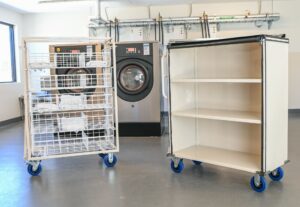
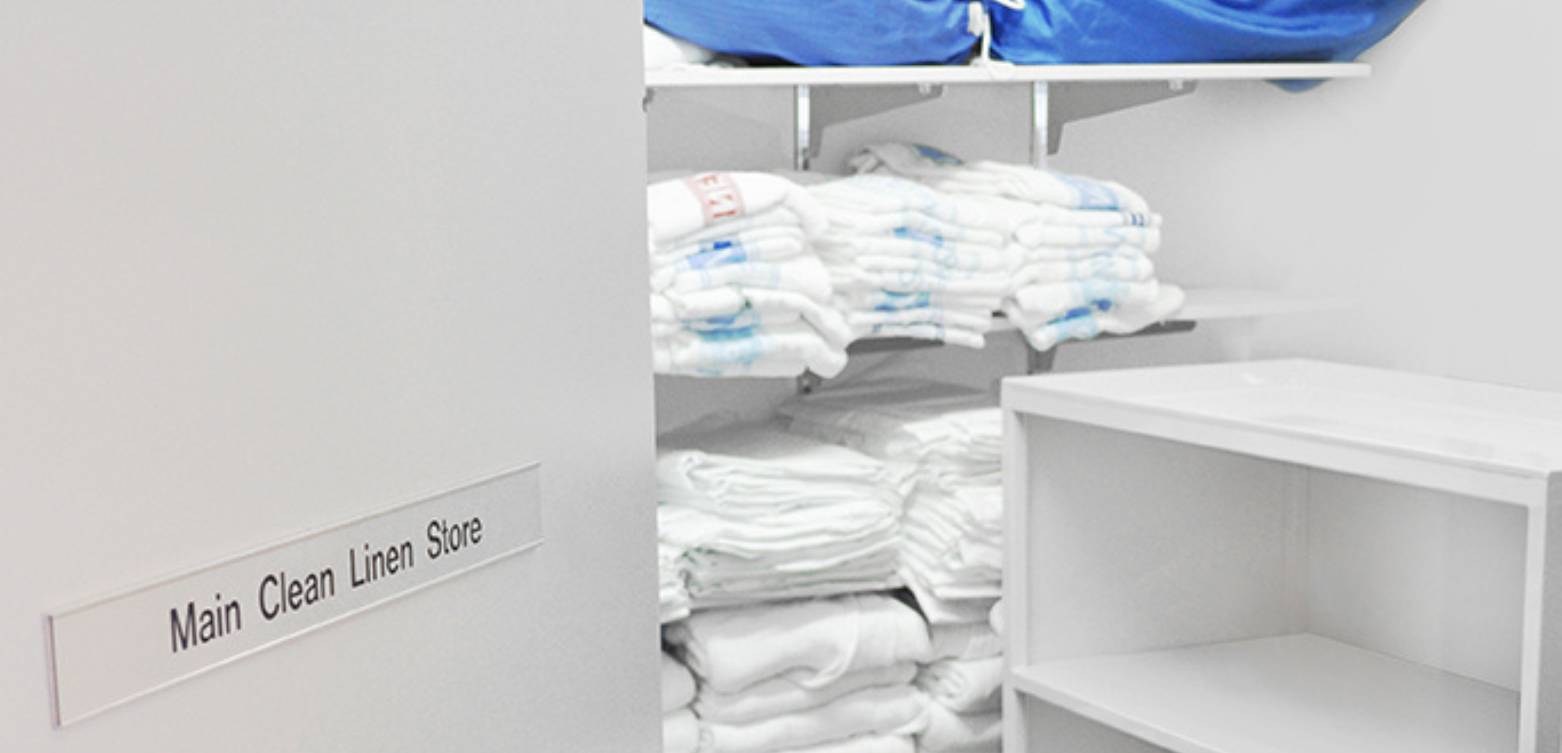
shelf linen trolley and linens stored in linen closet

Workplace safety is not only a legal requirement in Australia but also a business necessity. Each year, injuries and work-related illnesses cost the national economy an estimated $57.5 billion dollars, representing almost six per cent of GDP. Beyond the financial impact, injuries reduce employee morale, increase turnover, and affect overall productivity.

Manual handling tasks that involve lifting, lowering, pushing, pulling, or carrying remain one of the most common causes of injury in industries ranging from healthcare and hospitality to manufacturing and logistics. These injuries are not just an individual problem; they disrupt operations, increase workers’ compensation claims, and put pressure on already stretched workforces.

The good news is that with the right ergonomic handling equipment, businesses can dramatically reduce risks while boosting productivity. Advance Trolleys provides equipment designed to transform unsafe, repetitive tasks into safer, more efficient workflows.

Why Manual Handling Is a Workplace Hazard

Many businesses underestimate the impact of improper handling. Repeated bending, twisting, and lifting may seem minor in the short term, but over time, they can cause serious musculoskeletal disorders (MSDs).

Common risks include:

  • Back strain from constant lifting or bending
  • Shoulder and neck pain from awkward movements
  • Fatigue and reduced performance due to physical stress
  • Accidents when carrying loads that obstruct vision or exceed safe limits

Traditional “lifting with care” training can only go so far. The real solution lies in engineering out the risks by using equipment that eliminates the need for harmful movements.

Equipment That Makes a Difference

Equipment That Makes a Difference

Ergonomic Trolleys and Carts

Instead of employees manually transporting goods, trolleys enable safer, more efficient movement. They are particularly effective in laundries, hospitals, warehouses, and hospitality environments.

Spring-Loaded Tub Trolleys

A popular example is the coil spring rising base tub trolley, which automatically keeps the load at waist height. This eliminates repetitive bending, one of the biggest contributors to back injuries. The spring mechanism adjusts as items are loaded or removed, ensuring staff always lift safely.

Specialised Lifting Solutions

For heavier or bulkier items, hydraulic lifts, pallet jacks, and adjustable tables provide extra support. These tools reduce strain and allow workers to focus on accuracy and speed rather than physical exertion.

Real-World Example: Safer Linen Handling

A commercial laundry business approached Advance Trolleys with a pressing issue: staff were suffering from back injuries caused by handling large amounts of linen. Employees had to bend repeatedly to collect or deposit loads, creating long-term strain.

The solution was a back-saving ergonomic tub trolley. By maintaining linen at an ideal lifting height, the trolley significantly reduced bending. The system required no power, operated automatically, and adapted to different load weights. The outcome was immediate: fewer injuries, happier staff, and faster workflows.

Tailored Solutions for Every Industry

Not all material handling needs are the same. The type of product being moved, its size, weight, fragility, and handling frequency determine the right solution.

  • Healthcare and Aged Care: Hospitals and nursing homes rely on trolleys to move linen, medical supplies, and food service items. Safe handling is critical for protecting staff and ensuring patient care is uninterrupted.
  • Commercial Laundries: From hotels to large-scale laundry services, the sheer volume of linens requires ergonomic solutions to prevent injury.
  • Manufacturing and Warehousing: These industries often need heavy-duty handling solutions for raw materials, machinery components, or packaged goods. Pallet lifters, mobile carts, and hydraulic tables keep workflows efficient and safe.
  • Food and Timber Processing Plants: Products with unique dimensions or hygiene requirements demand customised solutions to keep both staff and materials safe.
Training and Education: Equipping Staff for Success

Training and Education: Equipping Staff for Success

Even the best handling equipment can only deliver results if staff know how to use it correctly. Training is essential not just for compliance, but for creating confidence and consistency in daily operations.

Key training elements include:

  • Safe operation of equipment – showing staff the correct way to push, load, and manoeuvre trolleys or lifters.
  • Understanding weight limits – teaching employees when a load is too heavy and when to use additional equipment.
  • Proper storage and maintenance – ensuring equipment is kept in good condition for reliable use.
  • Regular refresher sessions – reinforcing best practices and addressing any knowledge gaps.

When training is treated as an ongoing investment rather than a one-off exercise, businesses see fewer accidents, lower turnover, and a stronger culture of accountability.

How Technology Is Shaping Material Handling

Material handling solutions are evolving rapidly, with new technologies improving both safety and efficiency. Some emerging trends include:

  • Ergonomic design innovation: Adjustable heights, shock-absorbing bases, and improved manoeuvrability make modern trolleys safer and easier to use.
  • Smart handling systems: Sensors and tracking devices are increasingly used to monitor load weights, optimise routes, and reduce human error.
  • Eco-friendly materials: Businesses are demanding equipment made from recyclable or sustainable materials without sacrificing strength.
  • Automation and robotics: While not replacing manual equipment entirely, robotics are being integrated into larger facilities to handle repetitive or hazardous tasks.

These innovations not only reduce injuries but also make material handling future-ready by aligning with productivity and sustainability goals.

The Link Between Safety and Productivity

The Link Between Safety and Productivity

Investing in handling equipment is about more than reducing injuries. Businesses that implement ergonomic solutions see measurable improvements in efficiency and performance.

Benefits include:

  • Reduced downtime due to fewer injuries and sick leave
  • Faster workflows as staff can transport goods with less effort
  • Lower long-term costs from fewer workers’ compensation claims
  • Improved staff morale because employees feel safer and more supported
  • Compliance with OHS regulations reduces the risk of legal and financial penalties

Simply put, safer workers are more productive workers. When staff no longer struggle with heavy, awkward, or repetitive manual handling, they can focus on completing tasks more quickly and with greater accuracy.

Choosing the Right Equipment

Selecting the right handling solution requires careful consideration. Factors such as the weight, size, shape, and fragility of materials must guide equipment choices. For instance, while a trolley may be perfect for linen or medical supplies, it may not be suitable for transporting heavy construction materials.

Advance Trolleys work directly with businesses to assess their specific needs and design tailored solutions. This consultative approach ensures companies invest in the right tools rather than one-size-fits-all options.

Common Mistakes Businesses Make in Material Handling

Common Mistakes Businesses Make in Material Handling

Even when businesses invest in handling solutions, mistakes can still occur if equipment is not properly chosen or used. Some of the most frequent issues include:

  • Overloading equipment: Pushing trolleys or carts beyond their safe weight capacity increases the risk of accidents and damages equipment.
  • Improper training: Staff may not understand how to use ergonomic tools correctly, reducing their effectiveness.
  • Neglecting maintenance: Worn wheels, damaged springs, or poorly maintained lifters can undo the safety benefits of good equipment.
  • Using “one-size-fits-all” solutions: Equipment designed for one industry or product type may not suit another, leading to inefficiency and potential injuries.

Avoiding these mistakes requires a mix of staff training, regular maintenance checks, and working with providers who tailor equipment to the unique needs of each workplace.

Building a Safety Culture Around Material Handling

The best equipment can only go so far if businesses don’t foster a culture of safety. Leaders need to show employees that safety is not a box-ticking exercise but a core value. This involves:

  • Training and awareness programs so staff understand risks and safe handling practices.
  • Encouraging feedback from employees on what equipment or processes could be improved.
  • Rewarding safe behaviour rather than only reacting to accidents.
  • Regular reviews and updates of handling procedures to keep up with OHS regulations and workplace needs.

When staff feel empowered and supported, they are more likely to use equipment correctly and less likely to take risks that lead to injury. A strong safety culture, combined with the right tools, creates the foundation for both safer workplaces and stronger productivity outcomes.

The Business Case for Ergonomic Investment

Some organisations hesitate to invest in modern material handling equipment, viewing it as an unnecessary expense. However, the long-term savings and operational benefits far outweigh the upfront cost.

Consider the advantages:

  • Reduced workers’ compensation claims and medical costs.
  • Lower staff turnover, since safer environments encourage employees to stay longer.
  • Increased efficiency, as employees spend less time struggling with manual tasks.
  • Better reputation, with clients and regulators recognising the company’s commitment to safety and innovation.

Far from being a cost centre, ergonomic handling solutions are a strategic investment. They protect staff, streamline operations, and ultimately strengthen a company’s bottom line.

Why Safer Handling Leads to Better Performance

Why Safer Handling Leads to Better Performance

Workplace injuries are costly not only financially but also in terms of productivity, morale, and employee wellbeing. By investing in modern, ergonomic material handling equipment, businesses can significantly reduce OHS risks while creating safer and more efficient workplaces.

Whether in healthcare, hospitality, manufacturing, or warehousing, the right handling solutions provide a dual advantage: protecting staff and driving productivity. It’s a simple equation: when employees feel safe and supported, businesses perform better.