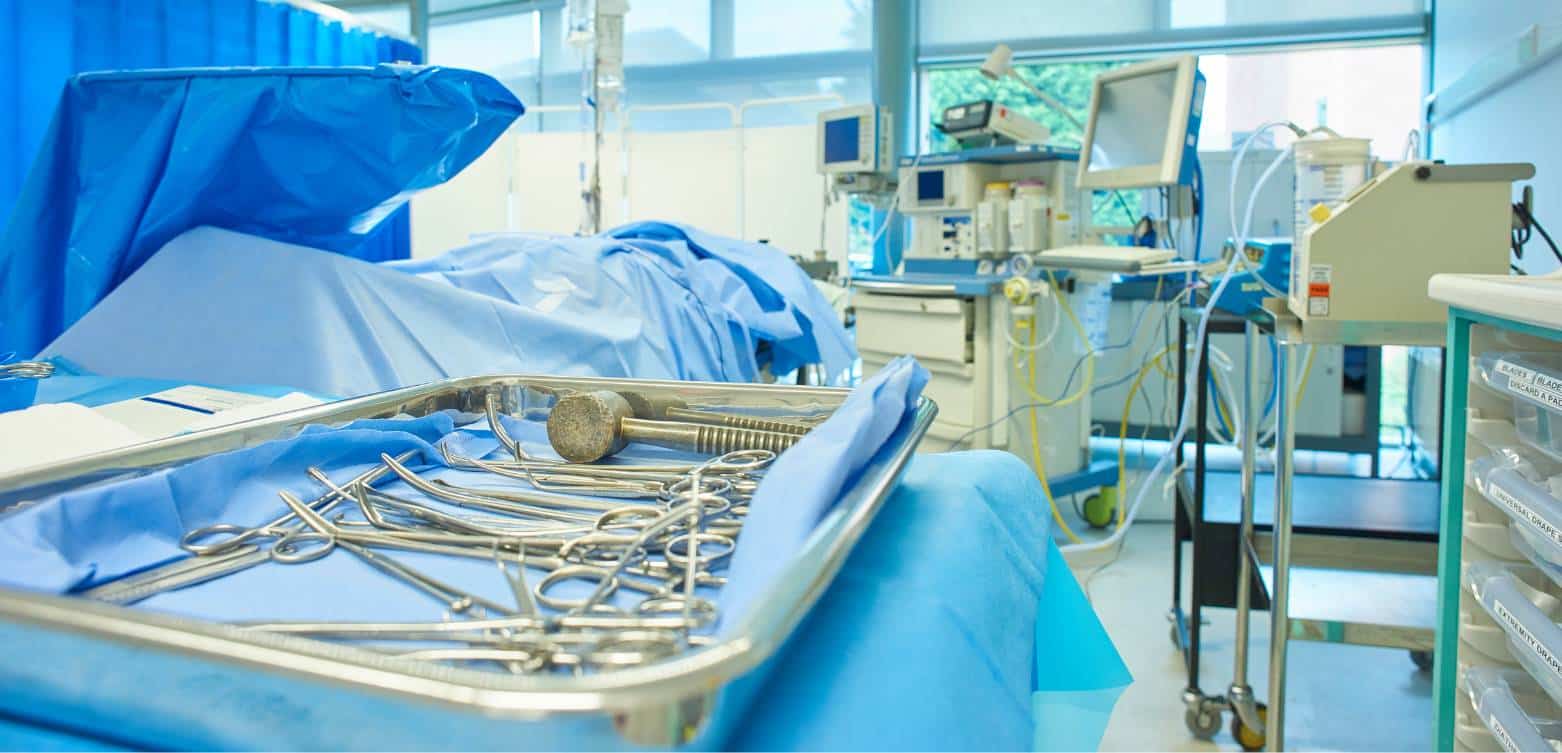
Delivering high-quality patient care depends on three key pillars in today’s healthcare environment: efficiency, hygiene, and accessibility. Whether in hospitals, clinics, aged care facilities, or emergency departments, medical trolleys have become indispensable tools that streamline daily operations and improve healthcare delivery.
From enhancing workflow to ensuring safer medication handling, medical trolleys provide numerous advantages. In this article, we’ll explore the key benefits of medical trolleys and why they are essential in modern healthcare environments.
Efficient Medication and Equipment Transport
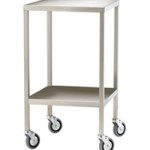
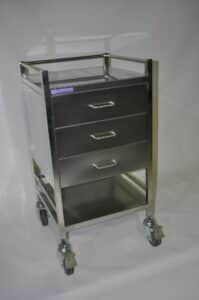
One of the primary advantages of medical trolleys is their ability to transport essential medications and equipment quickly and efficiently. In urgent situations, healthcare professionals don’t have the time to gather supplies from different locations. A well-organised stainless steel medical trolley allows nurses and doctors to access what they need instantly.
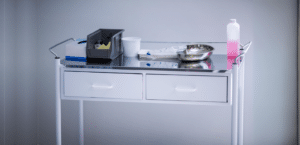
With clearly labelled drawers and designated compartments, trolleys help standardise processes, reduce treatment delays, and minimise errors. Common types include:
- Procedure Trolleys
- Anesthesia Trolleys
- Crash Carts
- Utility Trolleys
- Wall-Mounted Units
Each type is designed to support different medical tasks, ensuring healthcare workers are always equipped to provide timely care.
Secure Storage for Medical Supplies
Leaving medications, syringes, and other equipment in open or unguarded areas poses significant risks. Medical trolleys act as secure storage units, reducing exposure and limiting access to authorised personnel only.
Customised trolleys can include lockable drawers, tamper-evident seals, and specific compartments for high-risk items. This assures both patient safety and regulatory compliance.
By consolidating supplies into a single, mobile storage solution, you not only improve security but also reduce clutter and ensure a more organised workspace.
Enhanced Infection Control
Infection prevention is a top priority in all healthcare facilities. Medical trolleys are often manufactured from materials like stainless steel or antimicrobial-grade plastics, both of which are easy to clean and disinfect. These non-porous surfaces minimise the risk of harbouring bacteria or viruses.
Some advanced models also feature antimicrobial coatings to further reduce the risk of cross-contamination, especially in high-touch environments like operating rooms or emergency wards.
By choosing trolleys designed with hygiene in mind, healthcare facilities can uphold high sanitation standards and help prevent the spread of infections.
Improved Organisation and Accessibility
Medical trolleys offer exceptional organisational benefits. Equipped with multiple drawers, trays, bins, and dividers, these trolleys provide designated spaces for every tool and supply from IV kits and gloves to wound dressings and medications.
With items properly sorted and within arm’s reach, staff spend less time searching and more time focusing on patient care. The result? Increased efficiency, reduced stress, and improved workflow across departments.
Well-organised trolleys also contribute to better stock control, helping teams quickly identify when items need restocking.
Customisation for Specific Medical Needs
No two healthcare facilities operate the same way, that’s why flexibility is crucial. Today’s medical trolleys are highly customisable and can be tailored to suit various departments, from emergency rooms to surgical theatres.
You can add or adjust features such as:
- Drawer dividers
- IV poles
- Oxygen cylinder holders
- Sharps disposal units
- Monitor mounts
- Utility bins and side trays
Thanks to their modular design, many trolleys can also be upgraded over time. As your facility grows or needs evolve, your equipment can adapt without requiring a full replacement.
Mobility and Durability
Designed to be both mobile and robust, medical trolleys allow staff to move essential supplies effortlessly from room to room. Heavy-duty castor wheels, smooth-glide handles, and lightweight frames ensure easy manoeuvrability even in tight corridors.
Stainless steel and high-impact polymers also offer long-lasting durability, withstanding daily wear and tear in busy clinical environments. This reliability makes medical trolleys a cost-effective, long-term investment.
Time-Saving in Emergency Situations
In emergency scenarios where every second counts, the ability to access life-saving tools and medications instantly is crucial. Medical trolleys, especially crash carts and emergency procedure trolleys, are designed for rapid response.
With pre-stocked drawers and clearly categorised supplies, clinicians can act fast without the need to gather equipment from multiple locations. This not only improves treatment speed but also enhances patient survival rates and outcomes in critical situations.
Time-saving through organised access is one of the most valuable, often overlooked, advantages of investing in high-performance medical trolleys.
Improved Staff Productivity and Workflow
Disorganised environments can lead to delays, confusion, and even mistakes. By streamlining access to medical tools and equipment, trolleys reduce unnecessary steps in a healthcare worker’s routine.
Nurses and doctors can focus more on their patients and less on locating supplies. Over time, this leads to improved workflow, less frustration, and better overall staff satisfaction. Standardised trolley systems across departments also help in training new staff more quickly and reducing onboarding time.
Increased productivity translates into better patient care and a more efficient healthcare environment.
Supports Compliance and Regulatory Standards
Healthcare providers must comply with strict health and safety standards. Medical trolleys help facilities meet regulatory requirements by offering secure, hygienic, and efficient storage solutions.
Many trolley systems are designed to support compliance with:
- Infection control protocols
- Safe medication storage guidelines
- Sharps disposal regulations
- Workplace health and safety standards
By using trolleys that meet these benchmarks, healthcare organisations can reduce risk, pass inspections more easily, and demonstrate best practices in patient care management.
Ideal for Aged Care and Home Healthcare
In aged care facilities and home healthcare settings, mobile trolleys help staff deliver consistent and safe care without relying on fixed storage or treatment rooms.
Compact, lightweight trolleys allow carers to bring medications, wound care kits, or diagnostic tools directly to the patient’s bedside. This is especially valuable in facilities where residents may have mobility limitations or require personalised care in private rooms.
With the right setup, even smaller trolleys can be equipped for wound dressing, chronic illness management, or palliative care.
Cost-Effective and Long-Lasting Investment
A high-quality medical trolley isn’t just a short-term convenience, it’s a long-term investment. Made with robust materials like stainless steel and industrial-grade polymers, these trolleys are built to withstand constant use without degradation.
The durability, reusability, and ease of upgrading components make them cost-effective over time. Instead of replacing units frequently, healthcare providers can maintain, modify, and repurpose existing trolleys as their needs evolve.
Moreover, by improving efficiency and reducing waste or misplaced tools, medical trolleys also contribute to indirect cost savings for the facility.
Sustainability and Environmental Impact
Modern healthcare facilities are under increasing pressure to reduce their environmental footprint without compromising patient safety. High‑quality medical trolleys support these goals in several ways:
- Re‑usable, durable materials
Stainless steel and industrial‑grade polymers outlast cheaper alternatives, lowering the frequency of replacements and the volume of waste sent to landfill. - Modular refurbishing instead of full replacement
Instead of discarding an entire unit, worn tops, casters, or drawer fronts can be swapped out, extending the trolley’s service life and conserving resources. - Smart stock management
Clearly segmented drawers help staff track expiry dates and quantities more accurately, which cuts down on expired or wasted consumables. - Compliance with green‑cleaning protocols
Smooth, non‑porous surfaces tolerate eco‑friendly detergents and steam cleaning, reducing reliance on harsh chemical disinfectants.
By choosing sustainable trolley designs, healthcare providers not only save money over the long term but also demonstrate corporate responsibility and commitment to greener practice.
A Smart Investment for Any Healthcare Facility
Medical trolleys are much more than storage units; they are essential tools that support daily clinical operations, safeguard patient safety, and enhance the overall standard of care.
Whether you run a bustling hospital or a small practice, investing in quality medical trolleys can make a noticeable difference in workflow, hygiene, and staff efficiency. Their modular features, easy maintenance, and secure storage capabilities position them as indispensable assets in today’s healthcare landscape.
Ready to Upgrade Your Facility?
At Advance Trolleys, we specialise in high-quality, customisable medical trolleys built to meet the unique needs of healthcare providers across Australia.
- Australian-Made
- Durable Stainless Steel Designs
- Custom Options Available
- Fast Quotes and Support
Contact our team today for expert advice or a tailored quote, or explore our wide range of products on our website.
Frequently Asked Questions
1. What materials are best for medical trolleys?
Stainless steel and antimicrobial-grade plastics are preferred due to their durability, ease of cleaning, and resistance to bacteria and corrosion.
2. How do medical trolleys support infection control?
Medical trolleys are made with non-porous, easy-to-disinfect surfaces and may include antimicrobial coatings to reduce the risk of cross-contamination in clinical settings.
3. Can trolleys be customised for different departments?
Absolutely. You can add or adjust IV poles, drawer dividers, sharps holders, cylinder brackets, and more to match the specific needs of each department.
4. Are lockable drawers important?
Yes. Lockable drawers protect medications and controlled substances, ensuring that only authorised staff can access them essential for safety and compliance.
5. How often should medical trolleys be serviced?
Trolleys should be inspected every 3–6 months, depending on usage. Check wheels, brakes, and drawer mechanisms to ensure smooth operation and safety.
6. Do medical trolleys offer environmental benefits?
Yes. Durable, modular designs mean parts can be replaced instead of the whole unit. This reduces waste and supports sustainable practices in healthcare.